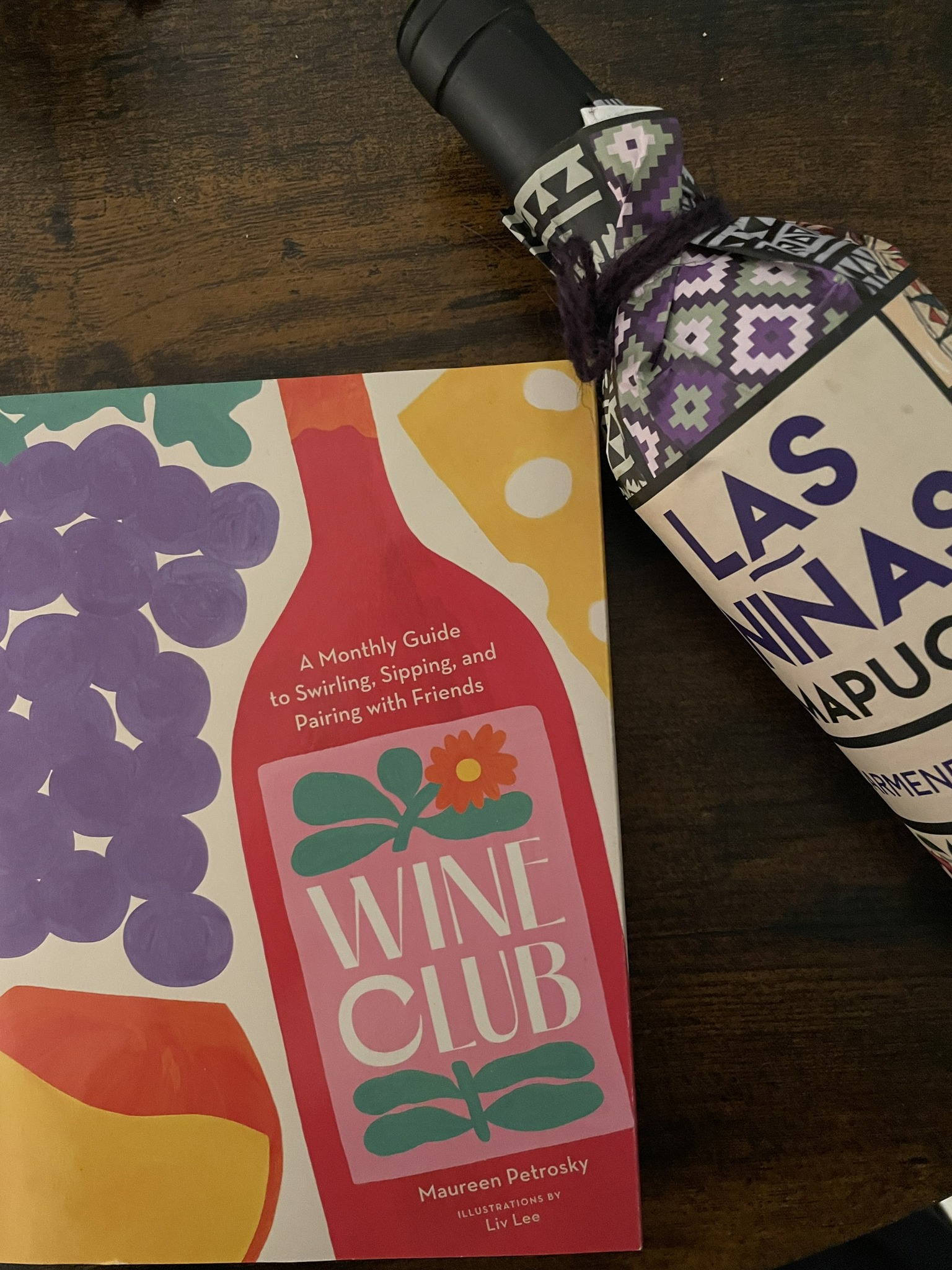
The second book on my list this month is a bit more relaxed. It’s about wine, a topic almost everyone enjoys but many find intimidating.
What happens when an introvert who loves staying home reads a book by an extrovert who spends every month inviting friends over for wine? You get a refreshing perspective on a world that often feels too fancy for its own good.
The author is a graduate of the Culinary Institute of America with plenty of expertise, but the writing hits that sweet spot between professional knowledge and real life experience.
A bit of context before we dive in
I used to feel pretty out of place when it came to wine. I love good food and beautiful things, but since I don’t go out much, I felt like a total amateur in upscale settings. In Vietnam, watching friends browse wine menus and handle various forks and knives with ease made me feel like a fish out of water. I figured I’d just stay in my lane and let them enjoy being the experts. To me, wine felt out of reach, like “playing a lute to a buffalo.”
Everything changed when I moved abroad. A friend hosted a casual Mexican night with homemade tacos. When she put a bottle of white wine on the table instead of beer, I was surprised. I politely took a glass, gave it a sniff, and glanced at the label. An Italian friend noticed and told me that in his culture, they really appreciate people who pay attention to those small details. It shows genuine interest rather than just “acting” like an expert.
My friends explained that for them, wine is just a daily drink to make food taste better. It’s a habit, not a status symbol. They’re just as happy sipping wine in pajamas with snacks as we are having popcorn and soda. That conversation opened my mind. I stopped worrying about the “rules” and started focusing on what I actually tasted.
I bought this book because the illustrations are beautiful. It also arrived while I was taking a break from alcohol for health reasons, so if I couldn’t drink the wine, I decided to savor the words instead.
Strategic takeaways from three years of “research”
The twelve month roadmap The book is organized into 12 chapters, one for each month. The author suggests gathering friends to open a specific type of wine and pair it with simple food. For example, Cabernet Sauvignon in January, Merlot in February, or Rosé in August. It breaks down regional characteristics and flavors in a way that’s easy to digest. It’s high energy, which is great for extroverts, even if I prefer my wine solo.
Cracking the code on labels Reading a wine label isn’t rocket science. Don’t let the fancy names scare you off.
- The Brand: Usually the biggest name, representing the producer or the estate. If you liked one before, stick with that name.
- The Grape vs. Region: New world wines (US, Chile, Australia) usually list the grape type (Chardonnay, Shiraz). Old world wines (France, Italy) list the region (Champagne, Chianti).
- Vintage and Volume: The year tells you about the weather during harvest. The alcohol percentage is a good indicator of sugar content; more alcohol usually means more sugar, which is worth noting if you’re watching your intake.
The science of steak and tannin Red wine goes with steak because of tannins. That “dry” feeling on your tongue balances out the richness of the meat and fats. This is also why red wine works with cream cheese or heavy desserts. Younger wines are usually more “tannic” or astringent, while aged wines feel smoother and more rounded. It’s about balance, not just following a trend.
Breaking the white wine myth People think white wine is only for fish. Actually, the high acidity and fresh fruit notes in white wine make it a great partner for Mediterranean meat dishes, like lamb meatballs with lemon and yogurt. Don’t let stereotypes limit your palate; trust your own tongue.
Rosé is not always sweet Many people assume Rosé is sugary. In reality, most are quite dry, and some (especially from Austria) can even taste a bit salty or earthy. I had to try five or six bottles before I finally believed the book: the original flavor isn’t sweet at all.
Trust your nose The author encourages being honest about what you smell. If you smell old wood, olives, or dusty vanilla, say it. The more honest you are about your observations without worrying about what others think, the more you learn. A “perfect” review doesn’t tell the whole story; the weird details do.
The business of socializing In the professional world, wine is one of the easiest gifts to give. Everyone appreciates a good bottle, whether they drink it, host with it, or just display it. Learning the basics through a book like this solves about 50% of your social etiquette hurdles.
Knowledge gives you confidence, but an open mind gives you a better experience. This book is a great investment because the recipes are simple, snack-based, and easy to do at home.