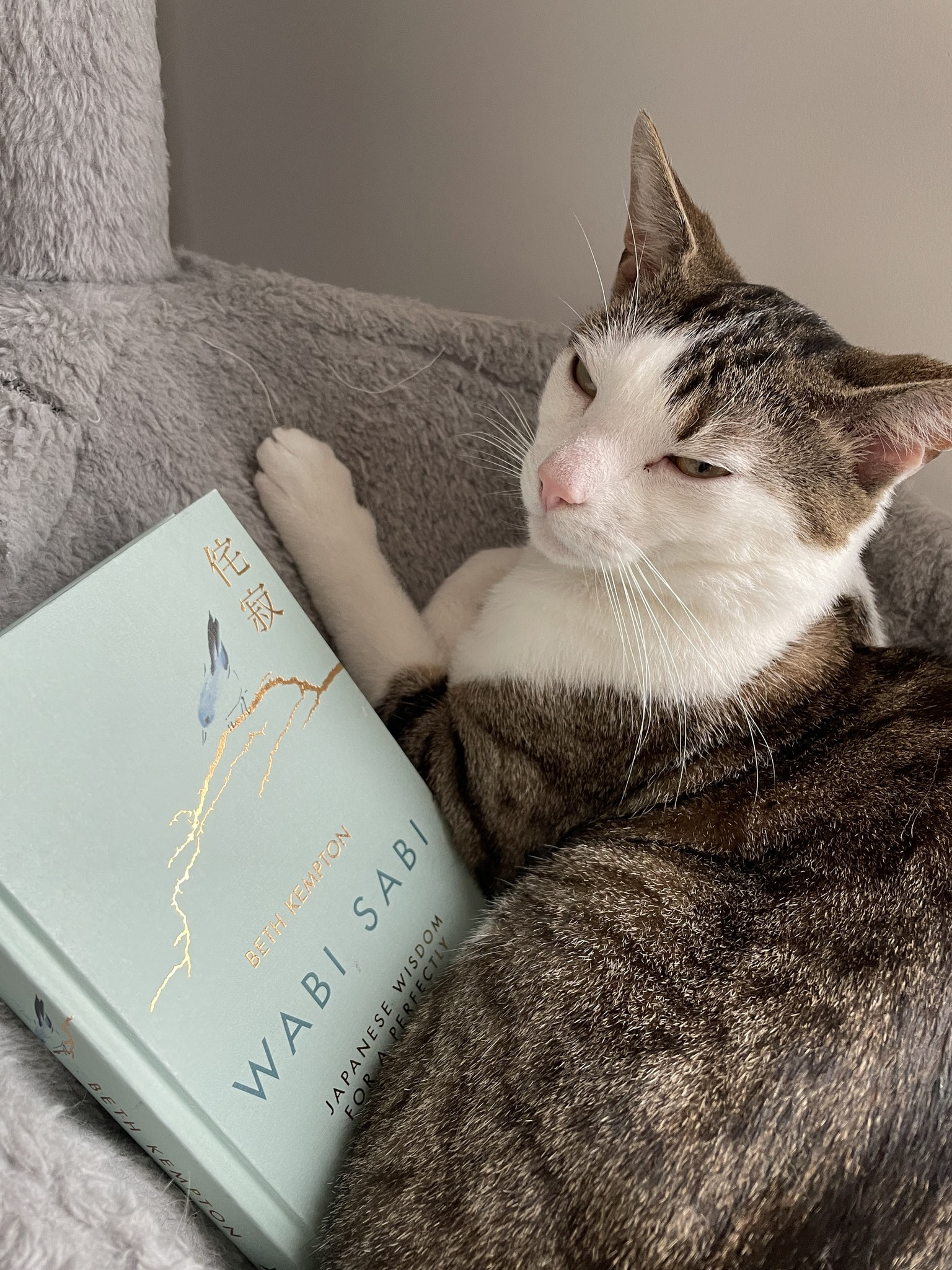
Wabi-Sabi: Finding wisdom in the imperfect
It took me from August 2023 to February 2024 to finally finish and review this book.
The core of the book revolves around the Japanese concept of wabi-sabi—the art of accepting and understanding the impermanent and imperfect nature of all things. It’s about finding beauty in the small things and escaping the pressure of unnecessary chaos to focus on true contentment.
I know what some of you are thinking. Most of my peers are high-achievers, perfectionists, or have a touch of professional OCD. We’re wired to want better, not just normal. If you’re not ready to challenge that mindset, this book might feel like a waste of time. I actually received this as a gift; I probably wouldn’t have bought it myself.
The context: the replacement trap
For a long time, I kept this book on my wishlist but refused to buy it. I was afraid it would make me “soft.” As a Leo, a Life Path 9, and a “Blue” personality type at work, I am notoriously hard on myself.
Even when I work tirelessly and get recognized by my team, I still feel like 200% of my hard work can’t compete with 1% of a “genius” mind. I often felt that what I do is easily replaceable—especially in today’s layoff-heavy climate. This wasn’t just peer pressure; it was intense self-pressure. I feared that by embracing “imperfection,” I’d lose my edge.
The turning point came during my annual self-reflection at work. My manager and I wrote our reviews simultaneously to avoid bias. I was shocked to find that while I was tearing myself apart for not being “perfect,” my manager and the CEO both noted that I was being way too self-critical. They told me I needed to start recognizing my own value, both big and small, before expecting others to do the same.
Rethinking Wabi-Sabi in 2024
I finally cracked open the book to find a fresh perspective for the new year. Surprisingly, it didn’t make me feel mediocre. Instead, it added depth to my strategic thinking.
Life is not a race. Just because someone else is moving fast doesn’t mean your rhythm is wrong. Perfection doesn’t always equal happiness.
Here are my main takeaways:
- A state of heart: Wabi-sabi is an intuitive response to beauty. It’s about feeling joy in things that are “good enough” without overexerting yourself to the point of burnout.
- Relationship resilience: By lowering the “perfection” bar for ourselves and others, we create more authentic, long-lasting connections.
- Reframing failure: Chapters 3, 5, and 6 are the gold mines here. They teach you how to accept, let go, and reshape your mistakes into something useful.
The career caveat
I have to be honest: I didn’t agree with Chapter 7 (“Enjoying the career journey”). As someone with a business mindset, I believe that if you want a better future, you should stay ambitious. Contentment can sometimes be a trap that leads to stagnation. You can appreciate the present while still hungering for growth—the two don’t have to be mutually exclusive.
What will you remember?
The most profound question the book asks is this:
When you look back at your life, what will you remember? Will it be the memories and emotions shared with loved ones, or the satisfaction of a task performed with zero errors?
Knowing what you want to remember helps you adjust your priorities today. For someone like me—focused on sustainable, long-term growth—it’s time to let go of the things that drain me and start accepting my own “imperfections.”
Changing your mindset early might just buy you a lot more years of peace.